Meal Planner And Grocery List Printable
Meal planning can feel overwhelming at times, especially for busy parents juggling work, school, and family activities. That’s why a Meal Planner And Grocery List Printable can be a useful option in organizing your kitchen and simplifying your meals. Having a clear plan not only saves time but also helps reduce food waste and encourages healthier eating habits. Let me share how you can set up your meal planner and grocery list in a way that suits your family’s needs.
Understanding the Layout of Your Meal Planner
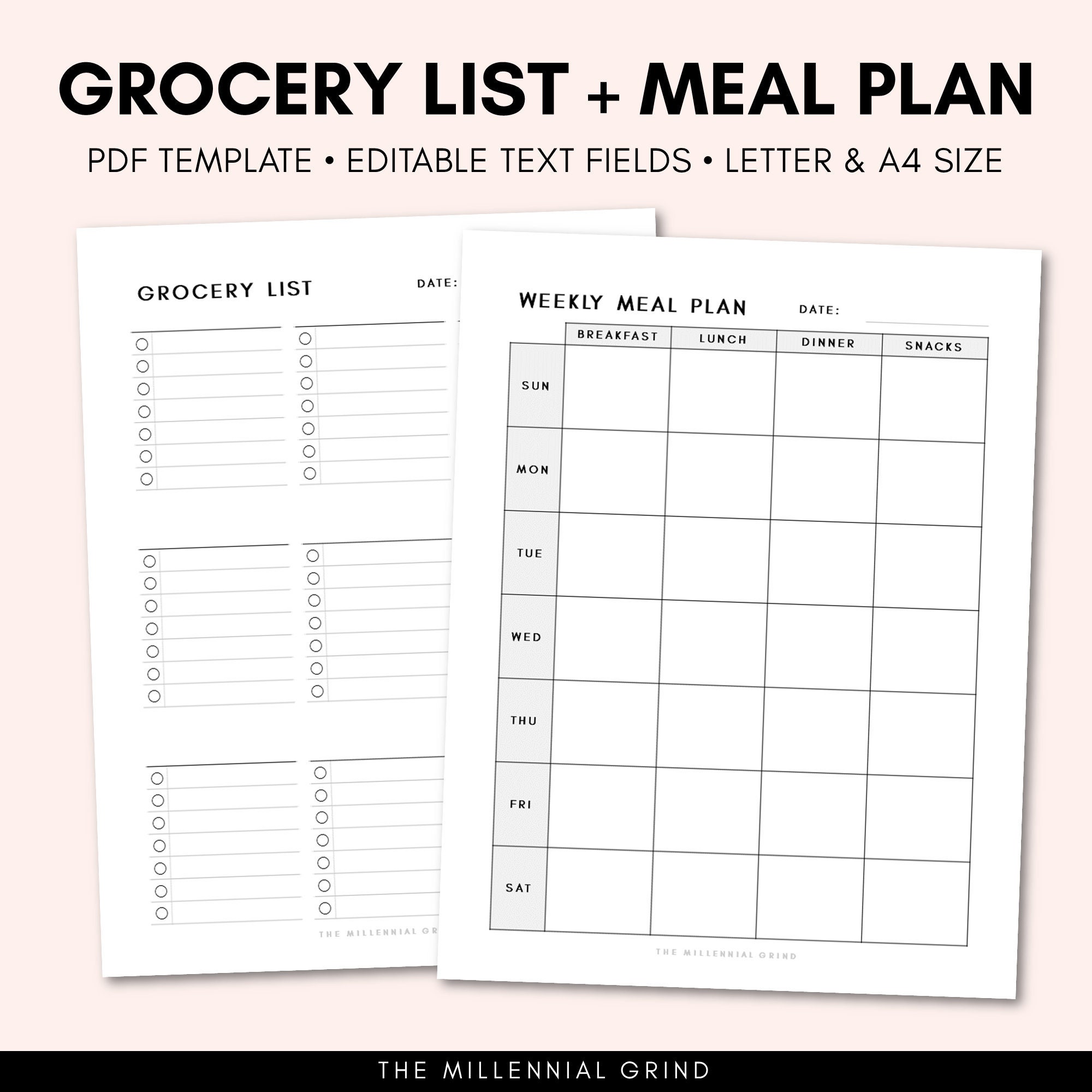
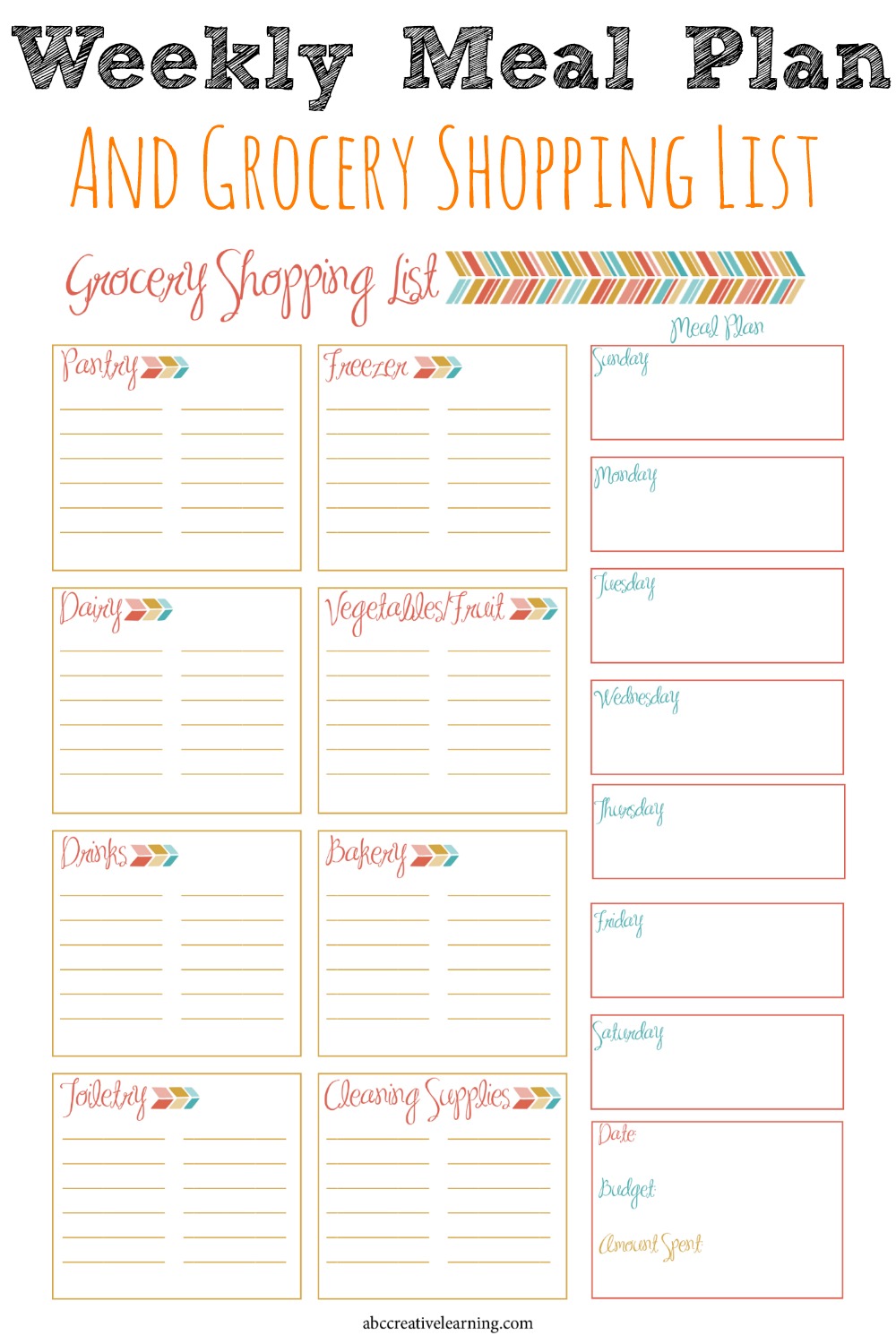
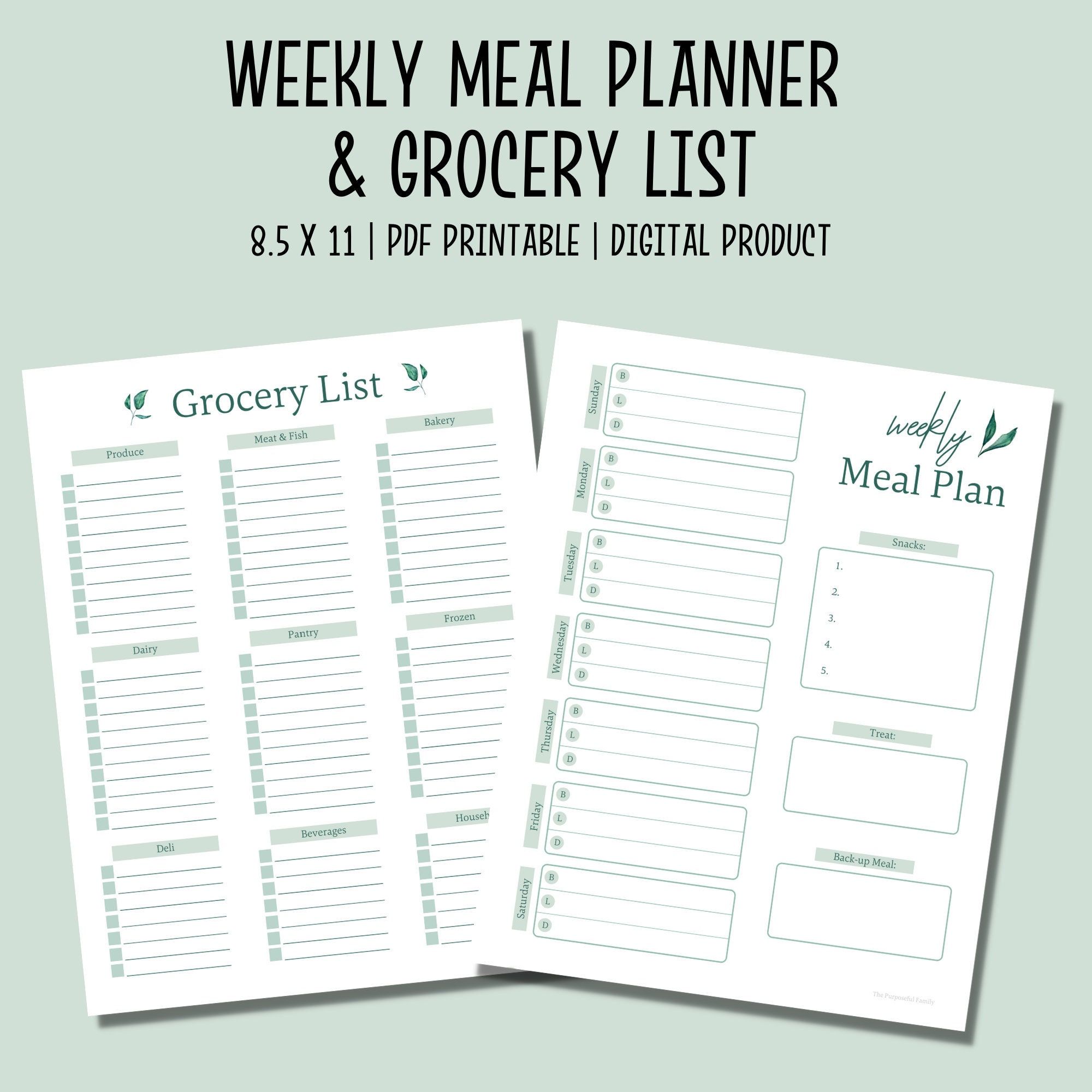
When you choose a Meal Planner And Grocery List Printable, the layout is crucial. Most planners come with sections for each day of the week, allowing you to plan meals easily. Some planners even include dedicated spaces for breakfast, lunch, dinner, and snacks.
You might want to look for:
- Weekly layout: This format helps you see your entire week at a glance.
- Daily sections: If you prefer more detail, having a space for each meal can be beneficial.
- Notes section: A small area for jotting down reminders or ideas can be helpful.
I found that a weekly layout works best for my family. It gives us a clear overview without being overwhelming. Plus, it allows for easy adjustments if plans change mid-week.
Choosing the Right Format
There are several formats you can choose from when it comes to your Meal Planner And Grocery List Printable. Here are some options to consider:
- Loose-leaf: This format allows you to rearrange pages easily. You can hole-punch your printable and add it to a binder, which is great for families who like to modify their plans frequently.
- Bound planner: A bound planner is more compact and can be taken on the go. However, it limits flexibility if you want to change your meal plans regularly.
- Digital version: If you prefer using technology, a digital planner can be accessed on your smartphone or tablet. This option makes it easy to track meals and grocery lists while shopping.
Personally, I love the loose-leaf option. It allows me to shuffle things around when necessary, especially if we’re having a busy week.
Paper Choices for Printables
The type of paper you use can impact how your Meal Planner And Grocery List Printable holds up over time. Here are some paper options to think about:
- Standard printer paper (8.5″x11″): This is the most common choice and works well for most printers. It’s cost-effective and easy to find.
- Cardstock: If you want something sturdier, cardstock is a great option. It holds up better if you’re going to laminate your planner or if it’s going to be used frequently.
- Laminated sheets: For a reusable option, consider printing on laminated sheets. You can use dry-erase markers to update your meal plans weekly.
I typically use cardstock for my meal planner. It feels more durable, especially since my kids sometimes get their hands on it during meal prep!
Utilizing the Grocery List Section
The grocery list is just as important as the meal planner itself. Having a clear list helps streamline shopping trips and reduces impulse buys. Here’s how to make the most of this section:
- Categorize items: Divide your grocery list into sections like produce, dairy, meats, and pantry items. This way, you can navigate the store more efficiently.
- Check your pantry: Before finalizing your list, check what you already have at home to minimize unnecessary purchases.
- Involve the family: Encourage your kids to help add their favorite items to the list. This not only makes them feel included but can also help with meal planning.
With a categorized grocery list, I’ve noticed that our shopping trips are quicker, and we often forget fewer items.
Making Adjustments and Staying Flexible
Life can be unpredictable, and so can meal planning. Here are some tips to stay flexible while using your Meal Planner And Grocery List Printable:
- Plan for leftovers: On days where you know you’ll be busy, plan meals that make great leftovers. This allows you to have a ready-made meal without extra cooking.
- Swap meals around: If you have a change in schedule, don’t hesitate to swap meals from one day to another. A good planner should accommodate these changes easily.
- Keep a few quick recipes handy: Have a couple of go-to meals that can be whipped up quickly for those unexpectedly busy nights.
Being adaptable has been essential for my family. Having meals that can be easily moved around in the planner makes it less stressful when things don’t go as planned.