High Fiber Food List Printable
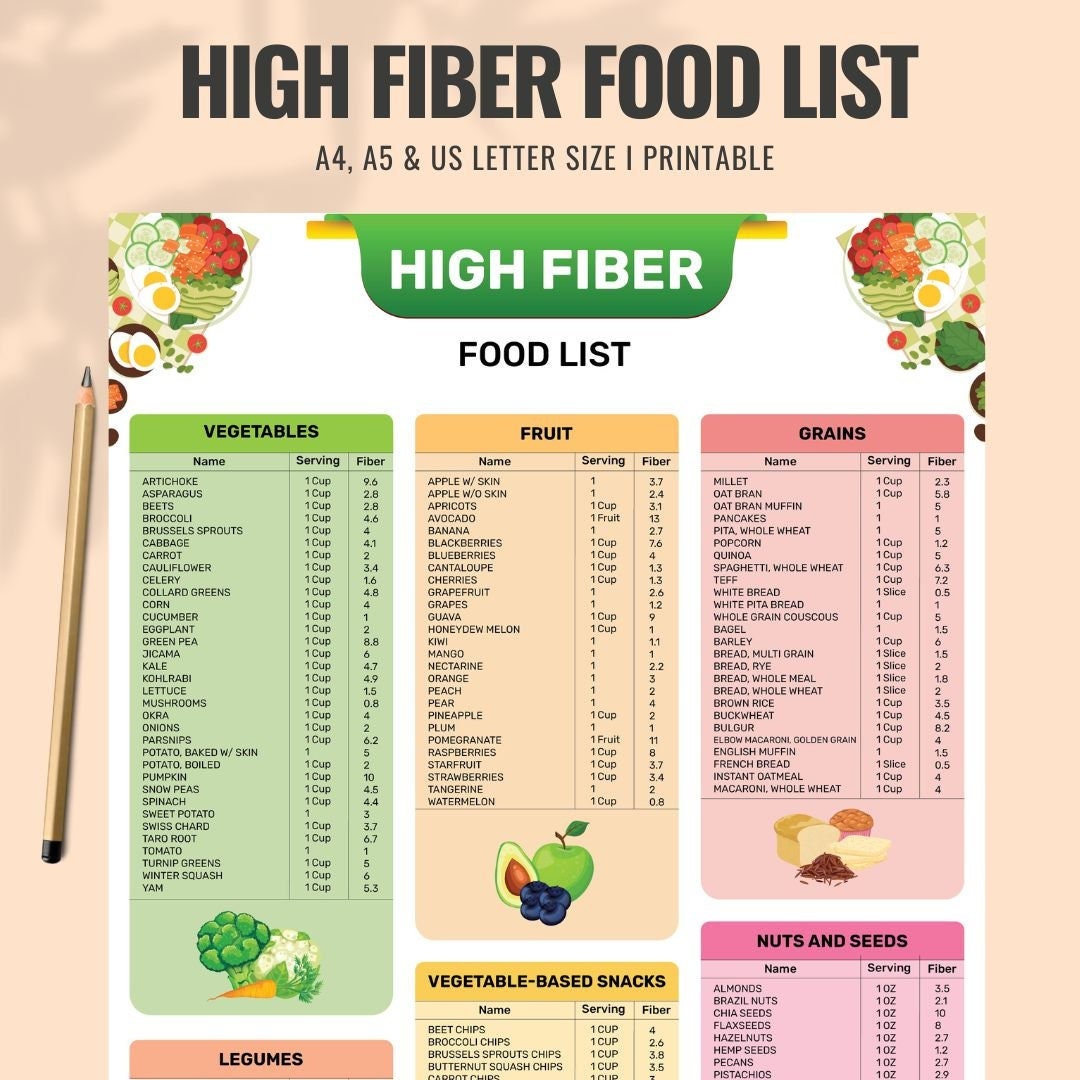
Eating a diet rich in fiber is essential for maintaining good health, especially for growing children. If you’re looking for a practical way to incorporate more fiber into your family’s meals, a High Fiber Food List Printable can be a game-changer. This resource not only helps you track high-fiber foods, but it also makes meal planning easier and encourages healthy eating habits.
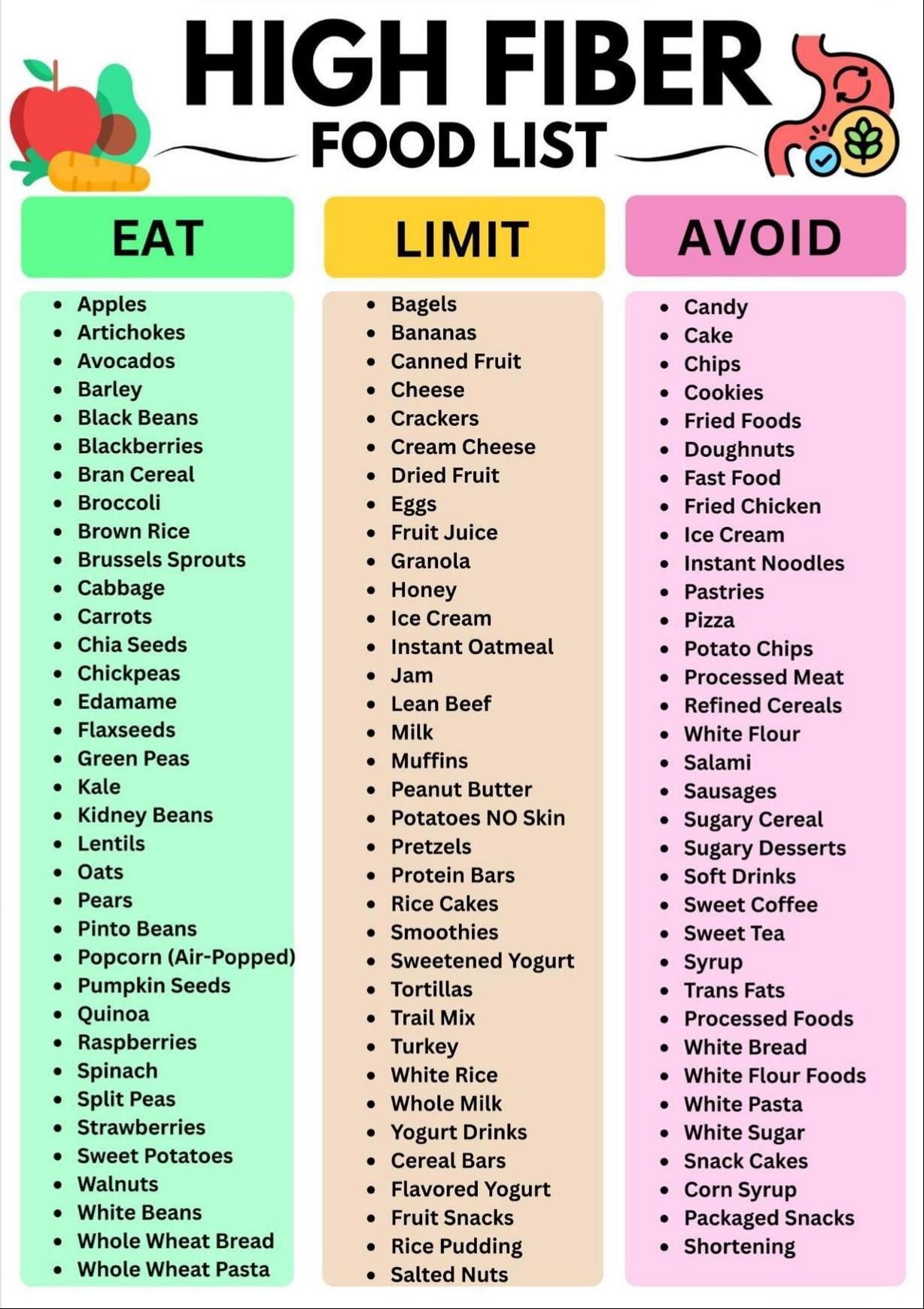
What is a High Fiber Food List Printable?
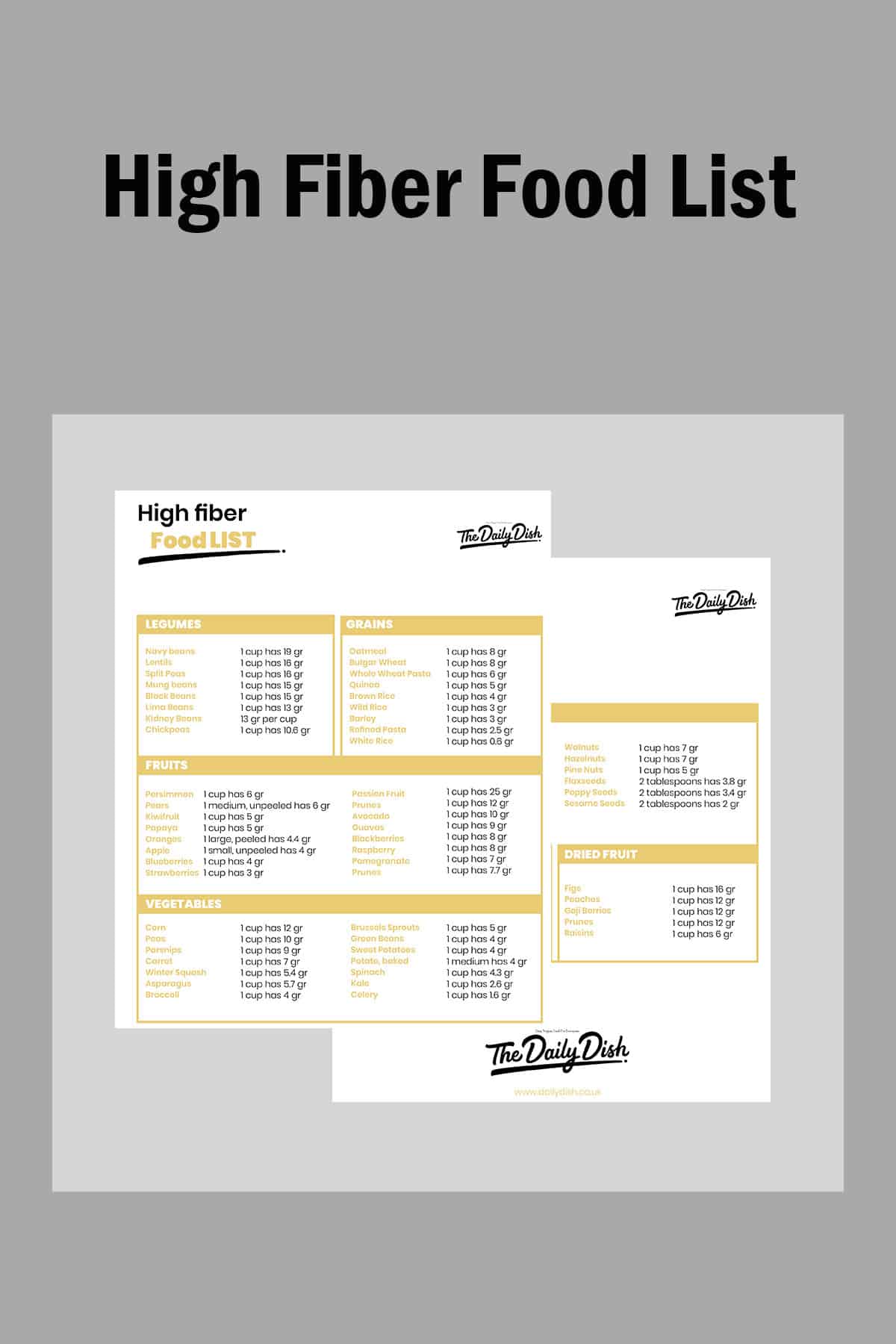
A High Fiber Food List Printable is a simple, downloadable chart that categorizes various foods based on their fiber content. These lists typically include fruits, vegetables, whole grains, legumes, and nuts, making it easy for you to see which foods pack the most fiber. Having this resource on hand means you can quickly reference it while grocery shopping or planning meals, which is especially useful for busy parents like us.
When you download this printable, you can choose to print it in various formats, such as standard letter size (8.5″ x 11″) or even smaller sizes that fit conveniently into a planner. This flexibility allows you to keep it handy wherever you need it most, whether in your kitchen, on your fridge, or tucked inside a recipe book.
How to Use Your High Fiber Food List Printable
Using the High Fiber Food List Printable is straightforward. Here are some practical steps to get started:
- Download the Printable: Look for a reliable source that offers the printable in PDF format. This format ensures that the layout remains intact when you print it.
- Print It Out: Use your home printer to print the list on standard paper or cardstock. If you plan to laminate it for durability, cardstock is a great choice as it holds up better.
- Place It Strategically: Hang the printable in a visible spot in your kitchen, such as on the fridge or inside a cabinet door. This way, it serves as a constant reminder while you prepare meals.
- Incorporate it into Meal Planning: When planning your week’s meals, refer to the list to choose high-fiber options. Aim to include at least one high-fiber food in each meal. This could be as simple as adding beans to a salad, choosing whole grain bread, or opting for a fruit snack.
- Get the Family Involved: Encourage your kids to help select meals based on the printable. This not only teaches them about healthy eating but also makes them more likely to try new foods.
Benefits of Increasing Fiber in Your Family’s Diet
Adding more fiber to your family’s diet comes with numerous health benefits. Here are a few to consider:
- Digestive Health: Fiber aids in digestion and helps prevent constipation. It’s especially important for kids, as a healthy digestive system can lead to better overall health.
- Weight Management: High-fiber foods tend to be more filling, which can help curb overeating. This is beneficial for both children and adults looking to maintain a healthy weight.
- Blood Sugar Control: Fiber can slow the absorption of sugar, helping to stabilize blood sugar levels. This is crucial for preventing energy spikes and crashes in kids.
- Heart Health: A diet high in fiber can lower cholesterol levels, which is important for heart health. Including fiber-rich foods in your family’s diet can contribute to long-term health benefits.
Common High Fiber Foods to Include
While your printable will have a comprehensive list, here are some commonly known high-fiber foods to consider incorporating into your meals:
- Fruits: Raspberries, pears, apples, and bananas are all great choices.
- Vegetables: Broccoli, carrots, and sweet potatoes are fiber-rich options.
- Whole Grains: Oats, quinoa, brown rice, and whole wheat bread can easily replace refined grains.
- Legumes: Lentils, black beans, chickpeas, and kidney beans are excellent sources of fiber.
- Nuts and Seeds: Almonds, chia seeds, and flaxseeds can be added to smoothies or snacks for an extra fiber boost.
Tips for Increasing Fiber Intake
In addition to using your High Fiber Food List Printable, here are some practical tips to help you increase your family’s fiber intake:
- Start Slow: If your family isn’t used to a high-fiber diet, increase fiber gradually. This helps prevent digestive discomfort.
- Stay Hydrated: Drinking plenty of water is essential when increasing fiber intake. It helps fiber do its job effectively.
- Get Creative: Try adding fiber-rich ingredients to favorite recipes. For example, you can toss some spinach into a smoothie or add shredded carrots to spaghetti sauce.
- Make Snacks Count: Choose high-fiber snacks, such as popcorn, fruit, or whole grain crackers, to keep everyone satisfied between meals.
- Educate Your Family: Share the benefits of fiber with your children. When they understand why they should eat these foods, they may be more inclined to try them.
By utilizing a High Fiber Food List Printable and implementing these strategies, you can help your family enjoy the many benefits of a fiber-rich diet. Download your printable today and start making simple changes that can lead to a healthier lifestyle for everyone in your home.